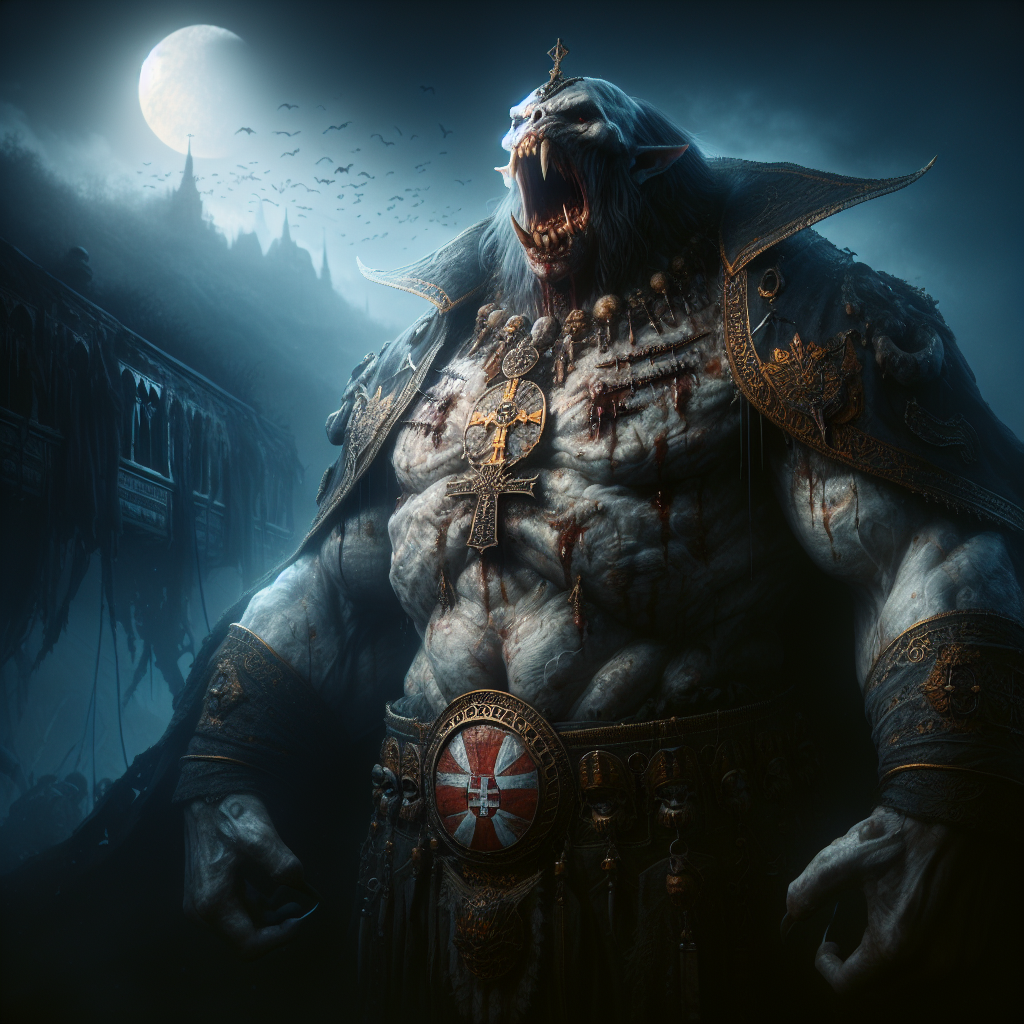
Vampir
Description
Original source of the word vampire, bloated corpse…
Origin & Background
The term vampire was popularized in Western Europe in the early 18th century, attributed to reports of mass hysteria based on existing folk beliefs in Southeastern and Eastern Europe. As a result, certain individuals were accused of being vampires, and incidents occurred where suspected corpses were staked.
The Legend
Vampires are mythological beings resembling humans, typically surviving by sucking the life force of humans, primarily blood. In European folklore, vampires are depicted as undead humans who visit their loved ones while alive, causing mischief or death in the areas they inhabited. They are often covered with a shroud and described as having a bloated appearance and a red or dark complexion.
Variants
Regional variations in Southeastern Europe are known by various names such as shtriga in Albania, vrykolakas in Greece, and strigoi in Romania.
In Popular Culture
In modern times, vampires are generally considered fictional beings, but beliefs in similar vampiric entities, such as chupacabra, still exist in some cultures. Vampires became dominant figures in the modern horror genre through literary works such as John Polidori's 'The Vampyre' and Bram Stoker's 'Dracula' in the early 19th century.
This article is based on the Wikipedia article "Vampire" (CC BY-SA 4.0) · Wikipedia
Abilities
- Blood-drinking