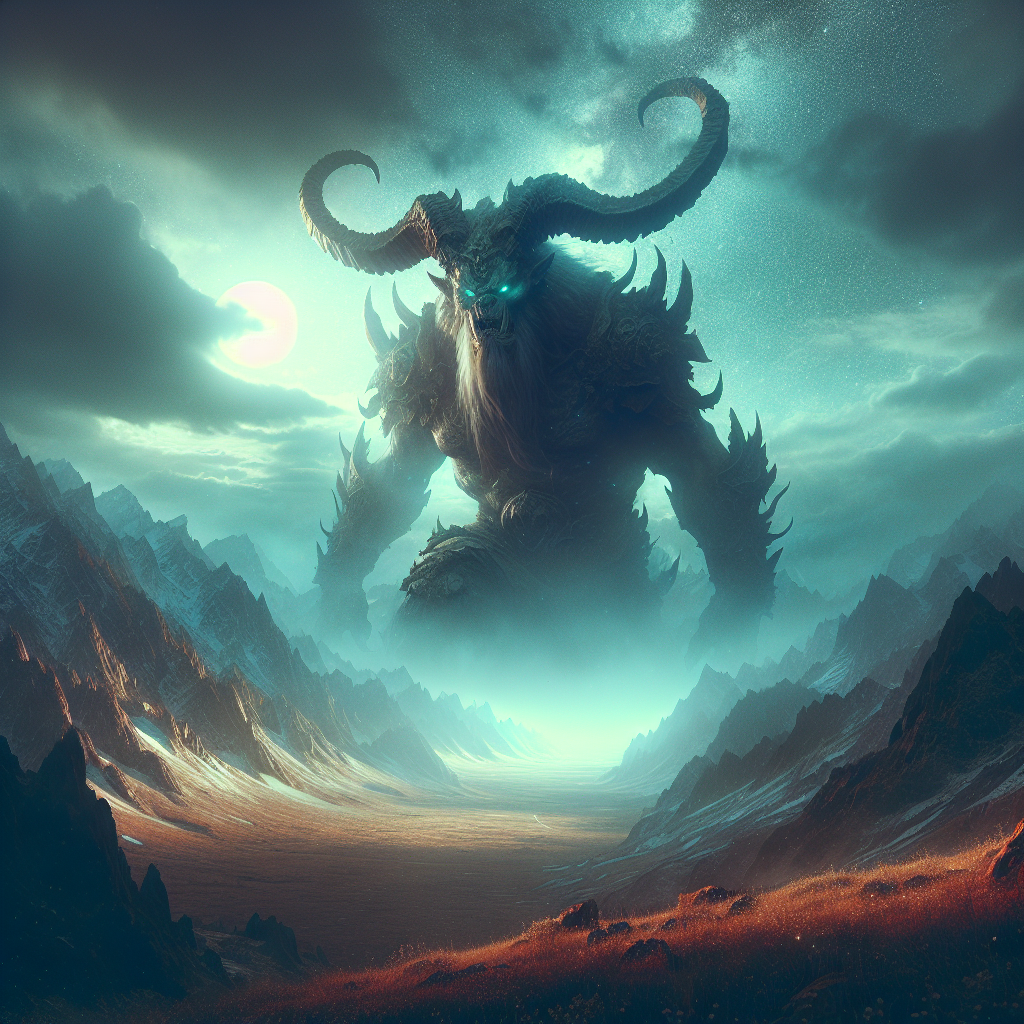
망가스
Description
몽골 신화의 거대 악마. 여러 개의 머리를 가진 괴물로, 영웅에게 퇴치된다. 간(Khan) 영웅 서사시의 주적으로, 95개의 머리를 가진 망가스도 있다. 마지막 머리를 잘라야 죽는다.
The Legend
Mangas is a social group that emerged from the counterculture of Greece's Belle Époque era, primarily active in large cities such as Athens and Piraeus. These individuals belong to the Greek working class, exhibiting particularly arrogant and proud behavior, characterized by their typical attire. This attire consists of a wool hat (kavouraki), a jacket (usually worn with only one sleeve), a belt used as a sheath, striped pants, and pointed shoes. Their appearance includes long mustaches, komboloi bead necklaces, and a distinctive limping gait. A related social group is the Kouchavakides, and the two terms are sometimes used interchangeably. Mangas is also closely associated with the history of rebetiko music.
In Popular Culture
Most rebetiko songs mention Mangas, which is considered part of this subculture, even if not explicitly. For example, there are Kostis's 'Στην Υπόγα' (1930) and Kasimatis's 'Ο Μάγκας του Βοτανικού' (1934). The respect for Mangas continued into the later Greek music genre of laiko. For instance, Giorgos Moulfedis's 'Πού 'σουν μάγκα το Χειμώνα' (1970s) is an example. In modern Greek, 'mangas' has become synonymous with 'a cool man, a proud man,' and depending on the context, it can have negative connotations (thug, gangster, delinquent) or positive meanings (brave man, cunning man, lad).
This article is based on the Wikipedia article "Mangas" (CC BY-SA 4.0) · Wikipedia
Abilities
- Multiple heads
- Superhuman strength
- Regeneration
- Magic
Weaknesses
- 마지막 머리 절단
- 영웅의 검
Sources
- 몽골 서사시
Genres
Story Hooks
- 몽골 신화의 거대 악마. 여러 개의 머리를 가진 괴물로, 영웅에게 퇴치된다. 간(Khan) 영웅 서사시의 주