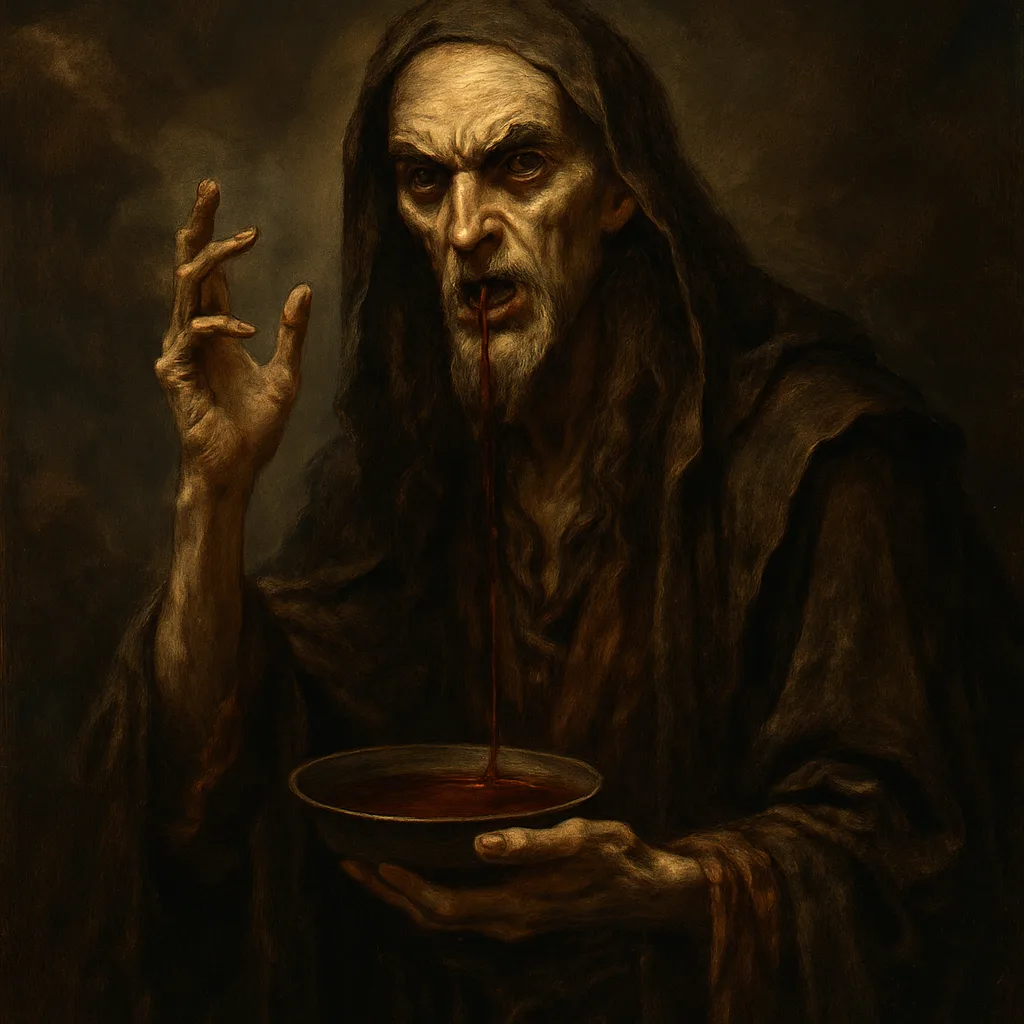
Vampire
Description
A sorcerer from the folklore of Italy. A vampire is a mythical creature with a human-like appearance that subsists by feeding on the vital…
Origin & Background
The term vampire first appeared in 18th century English, and it is believed to have originated from French and German before that. The concept of a vampire is derived from the Serbian вампир (vampir), which is thought to have its roots in South Slavic languages like Bulgarian. Beliefs about vampires are rooted in the folklore of Eastern and Southeastern Europe, and these beliefs became popularized in the early 18th century.
The Legend
Vampires are mythical beings that resemble humans and are generally said to survive by sucking the life force of humans, primarily blood. In European folklore, vampires are considered undead beings that often visit their loved ones while alive and may play tricks on neighbors or cause death. They are typically described as having a bloated appearance and dark hues, which differs from the modern image of a gaunt vampire.
Variants
Regional variations in Southeastern Europe include Albania's shtriga, Greece's vrykolakas, and Romania's strigoi. These are related to the Italian word strega (witch).
In Popular Culture
In modern times, vampires are generally regarded as fictional beings, but beliefs in similar vampire-like creatures still exist in some cultures. Vampires became significant figures in modern popular culture through literary works such as John Polidori's 'The Vampyre' and Bram Stoker's 'Dracula' in the early 19th century. These works laid the foundation for the vampire genre, which continues to be popular in books, movies, TV shows, and video games to this day.
This article is based on the Wikipedia article "Vampire" (CC BY-SA 4.0) · Wikipedia
Abilities
- Supernatural power
Weaknesses
- Certain rituals
Sources
- Wikipedia (Vampires)
Genres
Story Hooks
- A sorcerer from the folklore of Italy. A vampire is a mythical creature with