바유-바타
Description
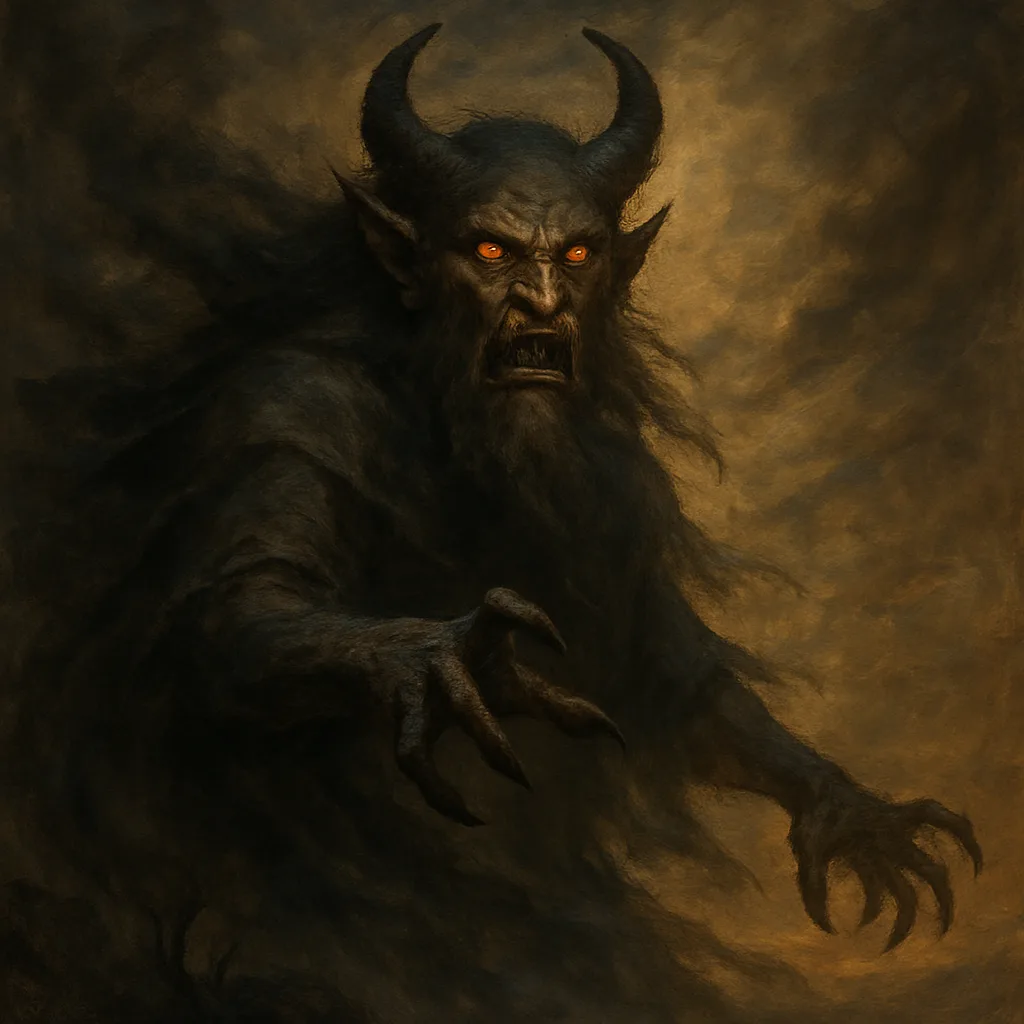
A demon from the folklore of Iran. Vāyu-Vāta (or Vāta-Vāyu; Avestan: 𐬬𐬀𐬌𐬌𐬎-𐬬𐬁𐬙𐬀, romanized: Vāyu-Vāta, lit. 'air, wind…
The Legend
Vāyu-Vāta is a deity of Zoroastrianism with a dual nature of wind (Vāyu) and atmosphere (Vāta). These names are used independently, with 'Vāyu' being used more frequently than 'Vāta', but even when used independently, they still represent different aspects. This being can be angelic or demonic depending on the situation, and in Zoroastrian tradition, it is considered a yazata, or a demon known as daeva, that is 'worthy of worship'. In the scriptures, the adjective 'good' is often used when referring to one of these in a positive context.
In Popular Culture
In Sanskrit and Vedic tradition, Vāta and Vāyu have nearly the same meaning. There is no deity representing Vāta, but there is a deity representing air, Vāyu. The word Vāta is still used in many Indian languages to denote atmosphere. In many Indian languages (e.g., Bengali, Hindi, Marathi, Nepali, Odia, Sanskrit, etc.), atmosphere is referred to as Vātāvaraṇa (Sanskrit: वातावरण, 'atmosphere, environment'), which is composed of the two words Vāta (वात, 'air') and Āvaraṇa (आवरण, 'layer').
This article is based on the Wikipedia article "Vayu-Vata" (CC BY-SA 4.0) · Wikipedia
Abilities
- Supernatural power
Weaknesses
- Certain rituals
Sources
- Wikipedia (Ancient Iranian gods)
Genres
Story Hooks
- A demon from the folklore of Iran. Vāyu-Vāta (or Vāta-Vāyu; Avestan: 𐬬𐬀𐬌�